
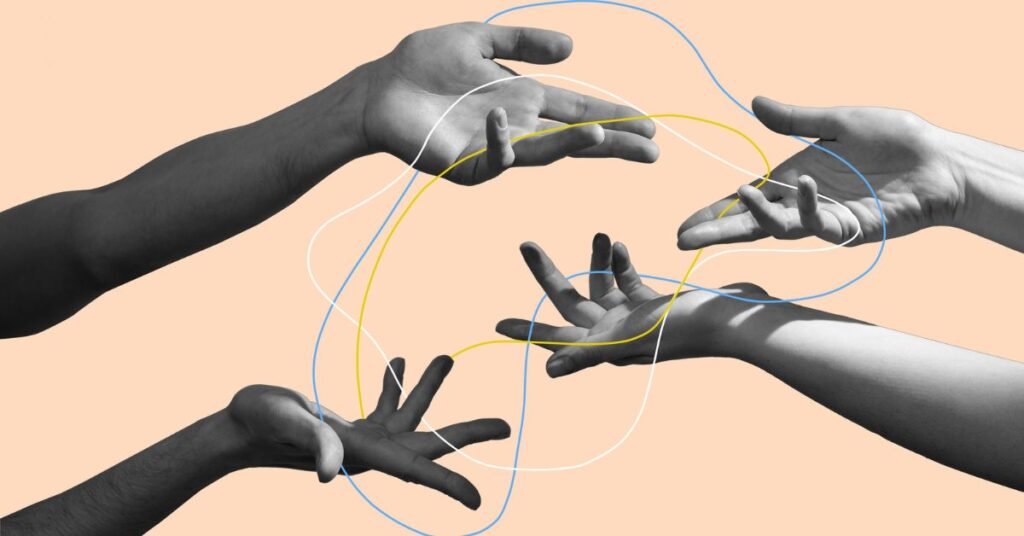
Helping youth and underrepresented communities discover energy careers is all about making these paths visible and real for folks who might never have considered them. It starts with honest conversations, mentorship that feels genuine, and creating those “aha!” moments that help people picture themselves in these roles.
Why This Matters Right Now
The energy world is changing fast. With a big chunk of the workforce set to retire soon, the industry urgently needs new faces and fresh ideas. Clean energy, modern grids, and climate action all require skills and creativity from people of every background—especially young people and those who haven’t always felt included.
The problem? There’s still a visibility gap. Many students and people from underrepresented groups rarely see energy jobs up close, or see role models who look like them. If you don’t know what’s possible—or can’t find the roadmap to get there—it’s easy to just walk away. Real outreach, compelling stories, and plain-language education are what help new audiences imagine themselves as energy innovators.
When you expand the circle, great things happen:
- New ideas bubble up – Different experiences lead to creative problem-solving.
- The workforce keeps humming – New recruits keep things going strong.
- Teamwork gets better – Varied perspectives help tackle challenges from all sides.
- Communities get what they need – More voices at the table mean solutions fit real lives.
- Lives improve – Pathways to steady, meaningful jobs help individuals and families thrive.
If the energy sector wants to stay strong through all these changes, it needs everyone at the table—not just the usual suspects.
What Actually Works: Making Energy Careers Relatable
Catching young folks’ interest—or that of anyone who’s rarely seen themselves in the energy world—takes more than dry job ads or complicated industry talk. Here’s what helps:
- Speak plainly and tie it to everyday life – Drop the jargon. Show how energy work means things like cleaner air, better tech at school, or safer homes. Make it feel personal.
- Show up where people already are – Don’t expect folks to find you. Head to TikTok, Instagram, local community centers, after-school programs, and neighborhood events. The more familiar the messenger, the greater the impact.
- Partner up – Work alongside schools, youth groups, nonprofits, and influencers. Collaboration boosts trust and ensures your efforts really click with your audience.
- Bring stories to life – Don’t just rattle off job titles. Share real journeys—who got into the field, what hurdles they overcame, and the difference they’re making now. A good story does what a thousand generic job descriptions can’t.
- Give practical next steps – Offer easy-to-follow guides, videos, interactive workshops, and access to mentors. The path to a career should never feel mysterious. For resource ideas, check out the DOE Workforce Development & Education page.
Ready to get started? Try this five-step plan:
- Start by listening – Ask young people and underrepresented groups what they know, what they care about, and what’s holding them back.
- Co-create – Let students and community members help design flyers, events, and outreach efforts. When people see themselves in the work, they’re more likely to join in.
- Highlight relatable role models – Use videos, Q&As, or even quick social posts that feature professionals from similar backgrounds.
- Make it hands-on and fun – Set up workshops, competitions, or behind-the-scenes tours. Real experiences are often what spark interest.
- Keep support coming – It’s not enough to just introduce an idea. Provide info on mentorships, internships, scholarships, and certification routes—so people see a clear way forward.
There’s no single formula. Mix together storytelling, trusted partnerships, and concrete resources. Most importantly, keep the door wide open and flexible for everyone who wants to be part of the action.
Busting the Myths
Old stereotypes and misunderstandings still get in the way of people joining the energy workforce. Let’s set the record straight:
First, this sector is way more than oil rigs and smokestacks. Solar, wind, cutting-edge batteries, smart grids, and efficient transportation are where a lot of the new jobs are. The Department of Energy highlights everything from offshore wind to hydrogen—careers that didn’t exist a generation ago.
Second, you don’t need an engineering degree to be valuable here. Yes, technical pros are important, but so are communicators, business leaders, analysts, IT specialists, and creative minds. The field needs a full range of skills.
A bachelor’s degree? Not always required. Many rewarding jobs in renewables or grid tech just call for a certificate, apprenticeship, or two-year degree. Community colleges and vocational programs are key stepping stones.
And let’s toss out the idea that energy is only for a certain group. Diversity and inclusion efforts are growing, and more women and people of color are finding their place. The industry is starting to recognize it can’t solve tomorrow’s problems with yesterday’s workforce.
Mythbusters: Energy Career Edition
- Myth: Only engineers need apply.
Reality: Communicators, techs, business pros, and creatives are all needed. - Myth: You need a four-year degree.
Reality: Plenty of positions start with certificates, apprenticeships, or two-year programs. - Myth: It’s all about fossil fuels.
Reality: Clean energy and new tech are the hottest growth spots. - Myth: “For men only.”
Reality: The field is working hard to represent and empower everyone. - Myth: It’s dull, physical labor.
Reality: Today’s roles call for creativity, collaboration, and constant learning.
The Big Message
Promoting energy careers isn’t just about filling job openings—it’s about opening minds. To truly pull in the next generation and folks who’ve long been left out, start simple, keep it honest, and focus on real impact. Use this ABC quick check for your strategy:
A – Appeal to Purpose
Highlight how these jobs tackle big issues like climate change or cleaner communities. Young people and new talent want work that matters.
B – Bring Role Models Forward
Showcase a variety of professionals—from all walks of life. Seeing someone “like me” is often the spark.
C – Connect to the Next Step
Make it easy to find internships, apprenticeships, and entry-level chances. Don’t just post about it—bring info to social feeds, community centers, and anywhere people already spend time.
When energy careers feel within reach for everyone, the industry grows stronger, more creative, and better at serving the world around it.
FAQ
What’s the best way to introduce energy careers to young people?
Skip the buzzwords. Share real stories and examples that show how energy jobs change lives and make a difference.
Do you need a technical background for this field?
Not at all. Business, outreach, creative, and technician roles are all in demand—there’s a spot for many types of skills.
Why focus on underrepresented groups?
Because broader perspectives fuel innovation and help the sector solve today’s toughest problems, while building a workforce that actually looks like the communities it serves.
Are there programs supporting diversity in energy careers?
Yes! Initiatives like the Collegiate Wind Competition, DOE research fellowships, and local outreach programs are widening the door for new talent.
How can we tell if our outreach is working?
Watch for increased participation from different groups, changes in hiring, and ongoing engagement. Track what’s happening—and tweak your approach to keep moving forward.